
𝗔𝗖𝗖 𝘀𝗶𝗴𝗻𝘀 𝗹𝗮𝗻𝗱𝗺𝗮𝗿𝗸 𝗠𝗢𝗔 𝘄𝗶𝘁𝗵 𝗟𝗲𝘆𝘁𝗲 𝗥𝗲𝗴𝗶𝗼𝗻𝗮𝗹 𝗣𝗿𝗶𝘀𝗼𝗻 𝘁𝗼 𝗹𝗮𝘂𝗻𝗰𝗵 𝗣𝗗𝗟 𝗲𝗱𝘂𝗰𝗮𝘁𝗶𝗼𝗻 𝗽𝗿𝗼𝗴𝗿𝗮𝗺

Education took a historic step beyond the traditional classroom as Abuyog Community College (ACC) formally signed a landmark Memorandum of Agreement (MOA) with the Leyte Regional Prison (LRP) and officially launched its Program for Persons Deprived of Liberty (PDL) on Tuesday, August 4, 2026, at the Maximum-Security Camp of the Leyte Regional Prison in Cabgolo, Abuyog, Leyte.
Anchored on the vision of Project PAGLAUM, the initiative seeks to bring higher education, opportunity, and hope to PDL learners through an academic program that opens a pathway toward personal transformation, productivity, and reintegration into society.
The program brought together officials and stakeholders from ACC, LRP, the Commission on Higher Education Regional Office VIII, the Bureau of Corrections, and the Municipality of Abuyog.
𝗣𝗿𝗼𝗷𝗲𝗰𝘁 𝗣𝗔𝗚𝗟𝗔𝗨𝗠: 𝗘𝗱𝘂𝗰𝗮𝘁𝗶𝗼𝗻 𝗮𝘀 𝗮 𝗣𝗮𝘁𝗵 𝘁𝗼 𝗥𝗲𝗱𝗲𝗺𝗽𝘁𝗶𝗼𝗻
During the program, ACC Vice President for Administration and Finance Mrs. Sheila V. Posas delivered the overview of Project PAGLAUM, presenting the initiative as more than an academic undertaking but as a commitment to human transformation.
The project is anchored on the belief that education can change lives, restore dignity, and create opportunities for individuals regardless of circumstance.
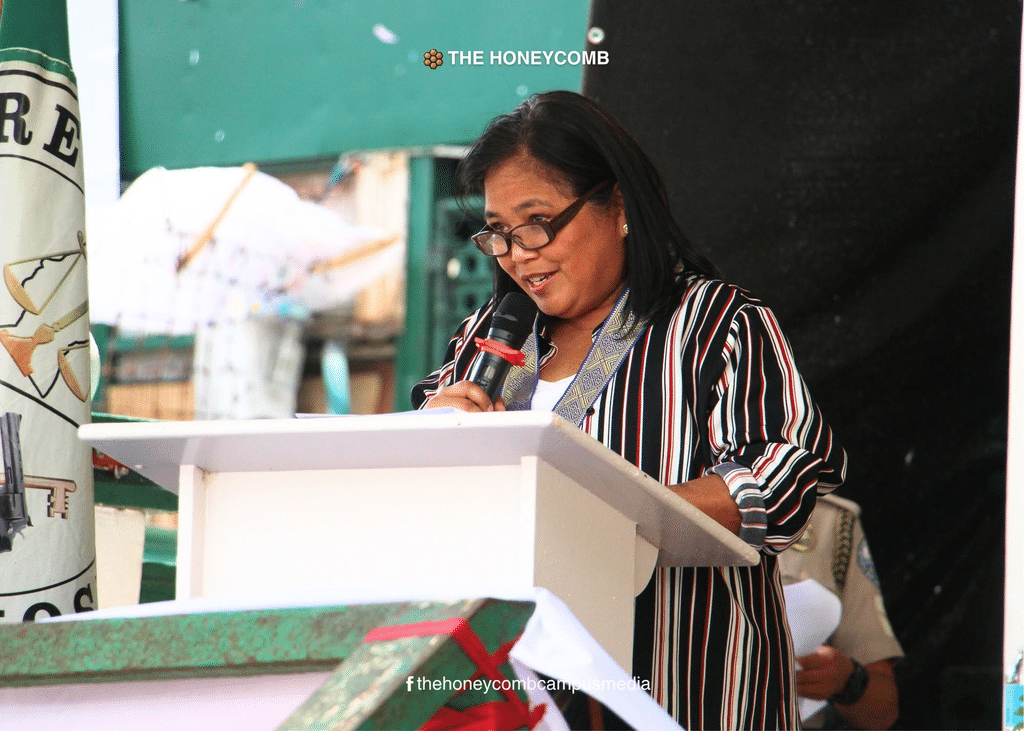
Project PAGLAUM was conceived from the realization that behind every inmate number is a human story and behind every story is the possibility of redemption. Through education, the initiative seeks to provide PDL learners with an opportunity to rewrite their narratives and prepare for a more productive future.
As a flagship academic extension initiative of ACC, Project PAGLAUM seeks to extend learning beyond the traditional boundaries of the campus and into the correctional facility through higher education opportunities.
The program initially brings the Bachelor of Science in Entrepreneurship to the Leyte Regional Prison, providing PDL learners with an avenue to develop knowledge and competencies that can help them become productive, responsible, and self-reliant members of society.
𝗔 𝗖𝗹𝗮𝘀𝘀𝗿𝗼𝗼𝗺 𝗼𝗳 𝗛𝗼𝗽𝗲
The unveiling of the ACC–LRP classroom gave physical form to the vision behind Project PAGLAUM.
More than a learning facility, the classroom stands as a symbol of the partnership’s commitment to creating an environment where PDL learners can pursue education, develop their potential, and envision a future beyond incarceration.
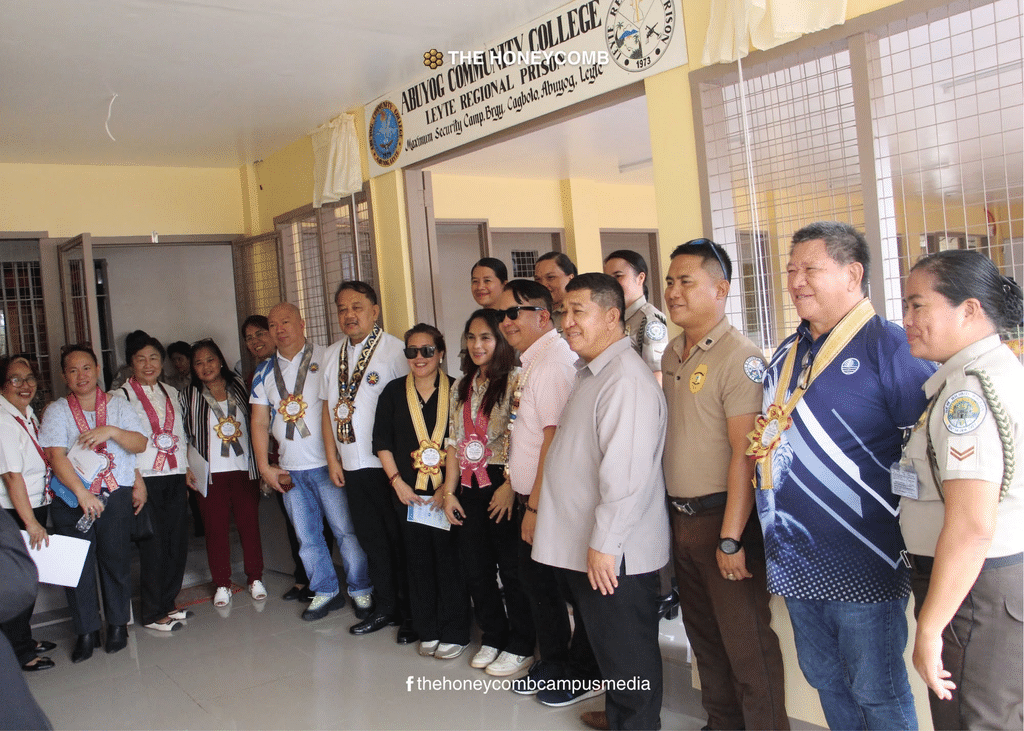
The initiative recognizes that academic transformation cannot be measured solely through grades or credentials. It can also be measured through the ability of education to uplift lives, restore hope, and empower individuals to make meaningful contributions to society.
The program’s ceremonial activities also featured PDL learners, including performances and messages that added a deeply human dimension to the occasion.
A ceremonial candle-lighting activity, described as the Flame of Hope and Learning, further emphasized the central message of the undertaking: that education can serve as a source of hope even in the most difficult circumstances.
𝗣𝗮𝗿𝘁𝗻𝗲𝗿𝘀𝗵𝗶𝗽 𝗳𝗼𝗿 𝗜𝗻𝗰𝗹𝘂𝘀𝗶𝘃𝗲 𝗘𝗱𝘂𝗰𝗮𝘁𝗶𝗼𝗻
The MOA signing formalized the collaboration among institutions committed to making education more accessible to marginalized communities.
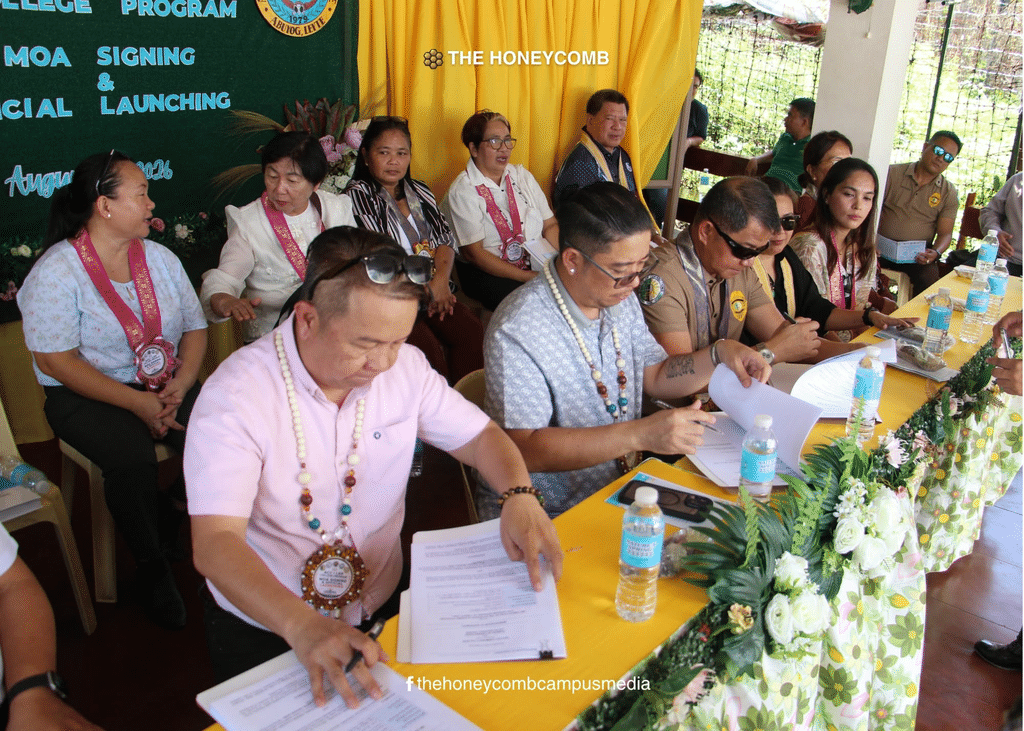
Dr. Clemelle L. Montallana, CESE, ACC College President, delivered the keynote address, while Dr. Maximo C. Aljibe, CESO III, CHED Regional Director for Region VIII, provided a message of support to the initiative.
C/SSUPT Ruben R. Formoso, LRP Superintendent, delivered a special message, while Hon. Lemuel Gin K. Traya, ACC Executive Chairman and Abuyog Municipal Mayor, shared an inspirational message during the program.
The initiative reflects a shared understanding that rehabilitation can be strengthened when individuals are given opportunities to learn, develop skills, and prepare for life after incarceration.
For ACC, the project also represents an expansion of its community extension mission—one that reaches beyond the conventional classroom and responds to the educational needs of communities often left at the margins.
𝗔 𝗛𝘆𝗺𝗻, 𝗔 𝗛𝗼𝗽𝗲, 𝗔 𝗡𝗲𝘄 𝗕𝗲𝗴𝗶𝗻𝗻𝗶𝗻𝗴
Then, the familiar strains of the Abuyog Community College Hymn echoed through the halls, carried not by the voices of a conventional campus audience, but by the voices of the very learners whom Project PAGLAUM seeks to empower.
The PDL learners nobly sang the hymn, their voices rising together in a moment that was both solemn and deeply moving. The words spoke of ACC as “the emblem of love and devotion,” a source of “hope for future ambition,” and a community to which its sons and daughters pledge their enduring love.
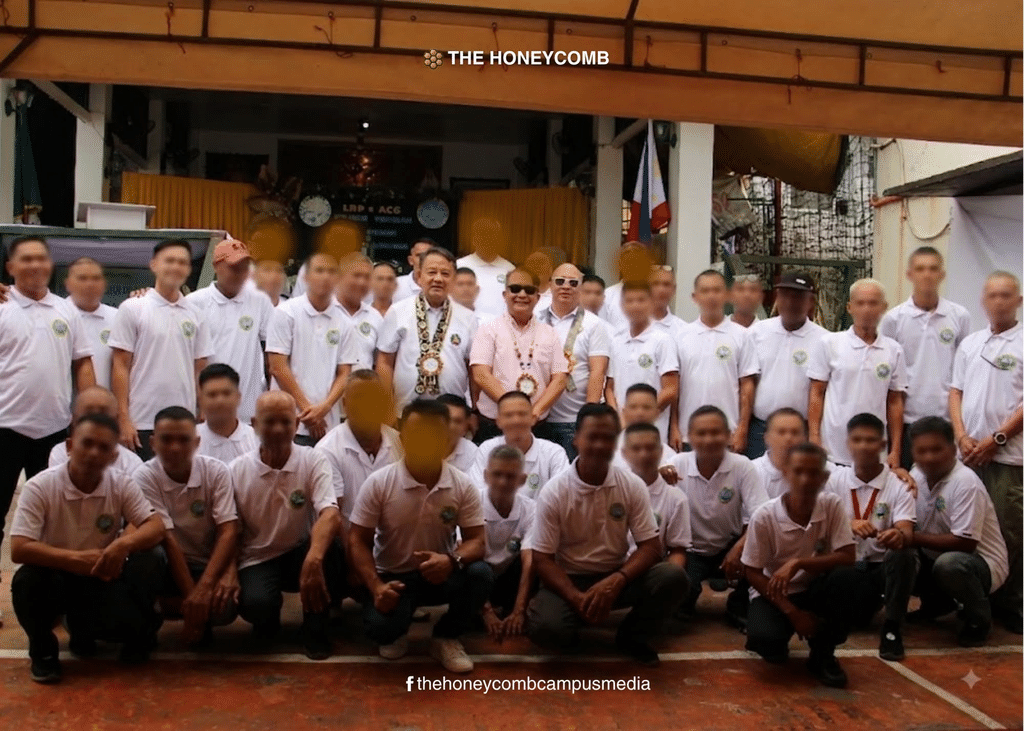
For a moment, the hymn seemed to transcend the walls of the prison.
It was no longer simply a school hymn. It became a declaration of belonging.
As the 60 PDL learners sang of their devotion to Abuyog Community College, the moment offered a deeper reflection on what education can mean to someone given a second chance: not merely a degree to pursue, a classroom to enter, or a lesson to complete, but a renewed sense of identity, dignity, and possibility.
Their voices carried the weight of stories shaped by mistakes and difficult circumstances, yet they also carried something stronger; the courage to begin again.
The final lines of the hymn lingered in the air, transforming the ceremony into something more profound than a formal launch. A hymn had become a prayer. A classroom had become a doorway. And education had become a promise.